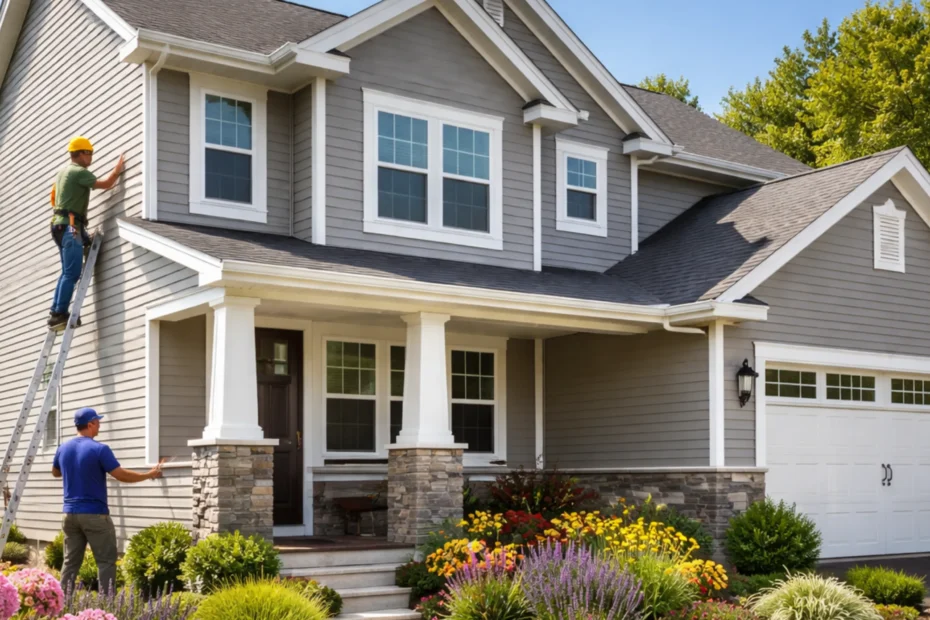
When homeowners think about improving their home’s exterior, durability, maintenance, and appearance are often the top priorities.
Vinyl siding has become one of the most widely used exterior materials because it provides an ideal combination of affordability, long-lasting protection, and attractive design options.
Choosing vinyl siding for a home renovation can improve curb appeal while also protecting the structure from weather damage.
Because it requires minimal upkeep and is available in many colors and styles, many homeowners consider vinyl siding a practical and visually appealing exterior upgrade.
What Is Vinyl Siding?
Vinyl siding is an exterior cladding material made primarily from polyvinyl chloride (PVC). It is designed to cover the outer walls of a house, protecting them from moisture, wind, and other environmental elements.
Unlike traditional wood siding, which often requires frequent painting or staining, vinyl siding maintains its color and appearance for many years with very little maintenance. This feature makes it a convenient choice for homeowners who want an attractive exterior without ongoing upkeep.
Another advantage of vinyl siding is its versatility. It is available in different textures and styles, including panels that resemble wood grain or traditional clapboard siding.
Durability and Long-Lasting Protection
One of the primary reasons homeowners choose vinyl siding is its durability. It is designed to withstand harsh weather conditions such as rain, wind, and intense sunlight.
High-quality vinyl siding can last for decades without significant damage or fading. The material does not rot, warp, or attract insects the way wood siding sometimes does. This durability helps protect the structural components of the home and reduces the need for frequent repairs.
In areas with changing weather conditions, vinyl siding provides reliable exterior protection while maintaining a consistent appearance year after year.
Low Maintenance Requirements
Maintenance is an important factor when selecting an exterior material. One of the most appealing features of vinyl siding is that it requires very little upkeep compared to many other siding options.
Unlike wood siding, which may require repainting or sealing, vinyl siding typically only needs occasional cleaning with water and mild soap. This makes it a convenient solution for busy homeowners who prefer a low-maintenance exterior.
Because vinyl siding retains its color through the manufacturing process, there is usually no need for painting, which saves both time and money in the long term.
Improved Home Appearance
Curb appeal plays a major role in the overall value and attractiveness of a home. Installing vinyl siding can significantly improve the visual appeal of a property.
Modern vinyl siding products are available in a wide variety of colors, textures, and profiles. Homeowners can select styles that match traditional, modern, or contemporary architecture.
Because vinyl siding panels are designed to create a clean and uniform look, they help give homes a refreshed and well-maintained appearance.
Cost-Effective Exterior Upgrade
For many homeowners, cost is a major consideration when planning exterior improvements. Vinyl siding is generally considered one of the most affordable siding materials available.
Compared to options such as brick, fiber cement, or natural wood, vinyl siding often has a lower installation and material cost. Additionally, its minimal maintenance requirements can reduce long-term expenses.
Because vinyl siding is durable and long-lasting, homeowners often find it to be a practical investment that improves both protection and visual appeal without excessive spending.
Energy Efficiency Benefits
Another reason many homeowners consider vinyl siding is its potential to improve energy efficiency. Insulated versions of vinyl siding can help reduce heat transfer through exterior walls.
By adding an extra layer of insulation, vinyl siding may help maintain indoor temperatures more effectively. This can contribute to improved comfort and potentially lower heating and cooling costs.
When combined with proper insulation and professional installation, vinyl siding can play a role in enhancing the overall energy performance of a home.
Professional Installation Matters
While the material itself offers many advantages, proper installation is essential to maximize the performance of vinyl siding. Professional installers ensure that panels are fitted correctly, allowing for natural expansion and contraction caused by temperature changes.
Correct installation of vinyl siding also helps prevent moisture issues and ensures the exterior maintains its durability and appearance over time.
Homeowners who choose experienced installers can often expect better long-term performance from their vinyl siding system.
Exterior upgrades are an important part of maintaining and improving a home. Vinyl siding continues to be a popular option because it combines durability, affordability, and attractive design choices.
With minimal maintenance requirements, long-lasting performance, and a wide range of styles, vinyl siding offers homeowners a practical solution for protecting and enhancing their property.
When installed correctly, it can provide both visual appeal and reliable exterior protection for many years.
FAQs
1. How long does vinyl siding last?
High-quality vinyl siding can last 20 to 40 years or more, depending on installation quality, climate conditions, and regular maintenance.
2. Is vinyl siding better than wood siding?
Vinyl siding is generally easier to maintain and more resistant to moisture, insects, and weather damage compared to traditional wood siding.
3. Can vinyl siding improve home value?
Yes, installing vinyl siding can improve curb appeal and may increase property value by enhancing the appearance and protection of the home.