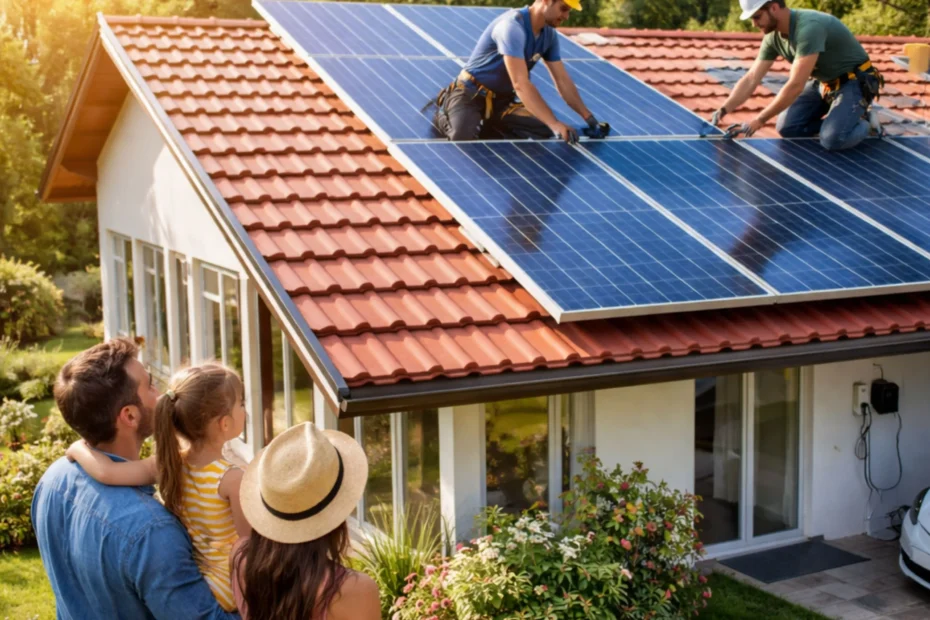
Solar Savings have become a major reason homeowners are switching to renewable energy solutions. With electricity prices steadily rising, installing solar panels offers a practical way to lower monthly utility costs.
By generating electricity directly from sunlight, solar systems reduce reliance on traditional power sources and help households control their energy expenses.
Understanding how Solar Savings work can help homeowners make informed decisions about investing in solar technology. When solar panels generate power for your home, you purchase less electricity from the grid, which significantly reduces your energy bills over time.
In addition to financial benefits, solar energy also supports environmental sustainability and long-term energy independence.
Understanding How Solar Panels Generate Savings
Solar panels convert sunlight into usable electricity through photovoltaic cells. Once installed on a rooftop or property, these systems produce energy during daylight hours and supply power directly to household appliances.
The primary way homeowners experience Solar Savings is through reduced electricity consumption from the grid.
When a solar system produces enough power to meet daily needs, energy bills drop substantially. Over time, the accumulated Solar Savings can offset the initial installation cost of the system.
Another advantage is net metering programs in many regions. When solar panels generate excess electricity, it can be sent back to the power grid, and homeowners may receive credits on their electricity bills. These credits contribute to greater Solar Savings throughout the year.
Factors That Influence Solar Savings
Several factors determine how much homeowners can benefit from solar power systems.
1. Sunlight Availability
Regions with strong and consistent sunlight typically produce more solar energy. Homes located in sunny climates tend to achieve higher Solar Savings because their systems generate electricity more efficiently.
2. System Size and Efficiency
The number of solar panels installed affects energy production. Larger and high-efficiency systems generate more electricity, increasing potential Solar Savings for homeowners.
3. Electricity Rates
The cost of electricity from local utility providers directly impacts savings. Higher electricity rates often mean greater Solar Savings because homeowners avoid purchasing expensive grid power.
4. Roof Orientation and Installation Quality
Proper placement of solar panels ensures maximum sunlight exposure. Professional installation and correct positioning significantly improve energy production and overall Solar Savings.
Long-Term Financial Benefits of Solar Energy
Installing solar panels is considered a long-term investment rather than a short-term expense. Over the lifespan of a solar system, homeowners can experience significant reductions in electricity costs.
One of the biggest advantages is predictable energy costs. Traditional electricity prices often fluctuate, but solar systems allow homeowners to generate their own power.
As a result, Solar Savings accumulate year after year, helping households stabilize their energy budgets.
Additionally, many governments offer incentives such as tax credits, rebates, or subsidies for solar installations. These incentives reduce upfront costs and increase overall Solar Savings, making solar power more accessible for homeowners.
Solar systems also typically last 25 years or more, which means the total savings generated during that time can be substantial.
Environmental Benefits That Support Financial Savings
Solar power not only helps homeowners financially but also contributes to a cleaner environment. By using renewable energy from the sun, households reduce their reliance on fossil fuels.
Lower carbon emissions and reduced environmental impact are major benefits of solar technology. As more homeowners adopt solar power, communities move toward sustainable energy systems that support both environmental health and long-term Solar Savings.
Using renewable energy also protects homeowners from future increases in electricity costs caused by fuel price fluctuations.
Tips for Maximizing Solar Savings
Homeowners can take several steps to increase the efficiency of their solar systems and maximize financial benefits.
Maintain Your Solar Panels
Regular cleaning and occasional inspections ensure that panels operate at peak efficiency.
Monitor Energy Usage
Using energy during peak solar production hours allows homeowners to make better use of solar power.
Invest in Energy-Efficient Appliances
Combining solar panels with energy-efficient appliances reduces total electricity consumption and increases Solar Savings.
Consider Battery Storage
Solar batteries store excess energy produced during the day. This stored energy can be used at night, further reducing dependence on grid electricity.
Why Solar Is a Smart Investment for Homeowners?
Solar energy systems provide both financial and environmental advantages. Over time, the combination of reduced electricity bills, potential incentives, and increased home value makes solar power an appealing investment.
Homes equipped with solar panels often attract buyers who value energy efficiency and sustainability. The long-term Solar Savings associated with solar installations can also increase property appeal in competitive real estate markets.
With energy prices continuing to rise, solar power offers a reliable and sustainable way to manage household energy expenses.
Solar energy offers homeowners an effective solution for managing rising electricity costs while supporting environmental sustainability. By installing solar panels, households can generate their own renewable energy and reduce dependence on traditional power sources.
The long-term financial advantages of Solar Savings make solar technology a practical investment for modern homes. From lower monthly energy bills to potential government incentives, the benefits continue to grow over the lifespan of a solar system.
As more homeowners adopt renewable energy, solar power will remain one of the most reliable ways to achieve lasting energy efficiency and financial stability.
FAQs
How long does it take to see solar savings?
Most homeowners start noticing Solar Savings immediately after installation through reduced electricity bills.
Do solar panels work during cloudy days?
Yes. Solar panels still produce electricity on cloudy days, although the output may be slightly lower.
Are solar panels expensive to maintain?
No. Solar panels require minimal maintenance, usually limited to occasional cleaning and periodic inspections.