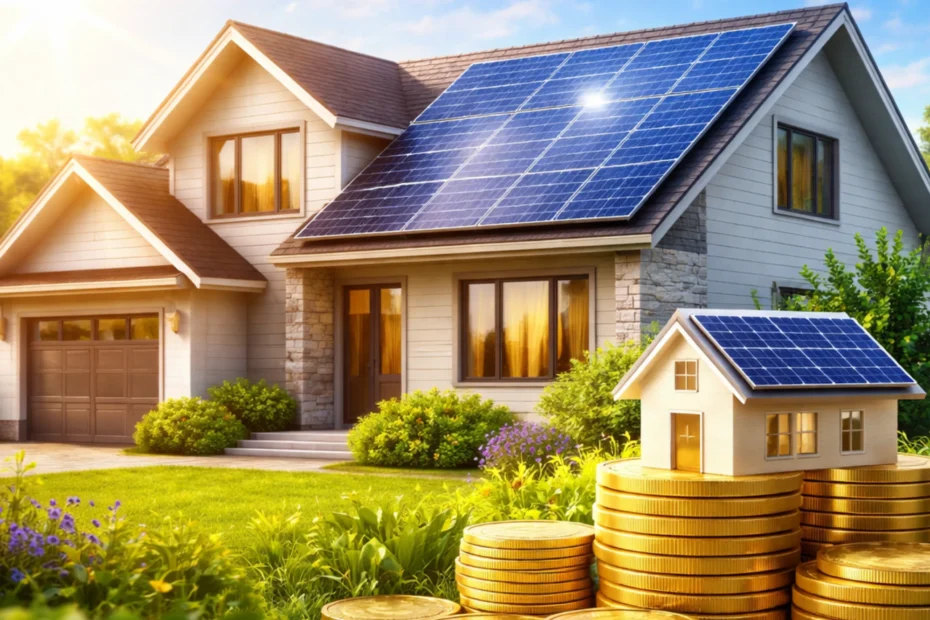
Solar investment has become one of the most practical upgrades homeowners can make today. With rising electricity costs and growing environmental awareness, installing solar energy systems offers both financial and lifestyle advantages.
A well-planned solar investment not only lowers monthly energy bills but also increases the overall value of a property. Many homebuyers actively look for energy-efficient homes, making solar systems a desirable feature in modern real estate markets.
In this guide, we’ll explore how solar panels add value to homes, the long-term financial benefits, and why a smart solar investment can improve both sustainability and property appeal.
Understanding Solar Investment for Homeowners
A solar investment refers to installing solar panels and related energy systems that convert sunlight into electricity for residential use. Instead of relying entirely on traditional electricity sources, homeowners can generate their own power.
This type of home improvement is considered both an energy upgrade and a financial strategy. By producing renewable electricity, homeowners reduce dependence on utility companies and protect themselves from rising energy prices.
Because of these advantages, many real estate experts consider solar investment a valuable property enhancement that can attract environmentally conscious buyers.
How Solar Investment Improves Property Value?
One of the biggest advantages of a solar investment is its impact on property value. Homes equipped with solar energy systems often sell faster and at higher prices compared to similar homes without solar panels.
There are several reasons for this increase in value:
- Lower future energy expenses for buyers
- Energy-efficient home appeal
- Reduced environmental footprint
- Modern and upgraded home features
When potential buyers see a home already equipped with solar panels, they often view it as a long-term cost-saving opportunity. This perception makes the property more attractive in competitive housing markets.
Energy Savings and Long-Term Financial Benefits
Another key reason homeowners choose solar investment is the long-term savings it provides. Solar panels generate electricity directly from sunlight, which significantly reduces dependence on traditional utility power.
Over time, this can lead to substantial savings on electricity bills. While the initial installation cost may seem high, many homeowners recover their expenses through reduced energy costs within several years.
Additionally, government incentives, tax credits, and renewable energy programs in many regions help offset installation costs. These financial benefits make solar investment a practical choice for homeowners seeking both sustainability and economic returns.
Environmental Advantages of Solar Energy
Beyond financial returns, solar investment also supports environmental sustainability. Solar energy is a clean and renewable resource that produces electricity without releasing harmful emissions.
Traditional energy sources often rely on fossil fuels that contribute to pollution and climate change. Solar power, however, generates electricity with minimal environmental impact.
By installing solar panels, homeowners contribute to reducing carbon emissions and promoting greener energy solutions. As more communities encourage renewable energy, homes with solar systems become increasingly desirable.
Increased Market Appeal for Modern Buyers
Today’s homebuyers are more environmentally conscious than ever. Many prefer properties that offer energy efficiency and sustainable features. Because of this trend, solar investment can significantly improve a home’s marketability.
Buyers often see solar panels as a long-term benefit because they reduce electricity expenses and demonstrate responsible energy use. In competitive real estate markets, properties with solar installations frequently stand out among other listings.
This added appeal means homeowners who make a solar investment may enjoy stronger buyer interest and faster property sales.
Protection Against Rising Energy Costs
Electricity prices continue to rise in many parts of the world. A solar investment helps homeowners protect themselves from these increasing utility costs.
By generating their own electricity, homeowners rely less on grid power and can stabilize their monthly energy expenses. In some cases, excess energy produced by solar panels can even be returned to the grid, depending on local energy policies.
This financial stability is another reason many homeowners consider solar investment a valuable long-term strategy for protecting household budgets.
Factors That Influence Solar Investment Value
Although solar panels generally increase home value, several factors influence the overall return on solar investment:
- Quality and efficiency of the solar system
- Installation and maintenance standards
- Local energy prices and incentives
- Property location and sunlight exposure
- Age of the solar equipment
Homes with modern, well-maintained systems usually experience greater value increases. Proper installation and system efficiency also play an important role in maximizing benefits.
Installing solar panels is more than just an eco-friendly upgrade—it’s a smart financial decision for many homeowners. A thoughtful solar investment can lower electricity bills, improve property value, and attract environmentally conscious buyers.
As renewable energy becomes more popular, homes equipped with solar systems continue to gain strong interest in the real estate market.
With long-term savings, environmental benefits, and increased buyer appeal, solar investment offers a powerful combination of sustainability and financial value for modern homeowners.
FAQs
1. Does solar investment really increase home value?
Yes, studies show homes with solar panels often sell faster and at higher prices because buyers value energy efficiency and reduced electricity costs.
2. How long does it take to recover solar investment costs?
Most homeowners recover their investment within 6–10 years through energy savings, tax incentives, and reduced utility bills.
3. Do solar panels require regular maintenance?
Solar systems require minimal maintenance. Occasional cleaning and periodic inspections help maintain efficiency and performance.