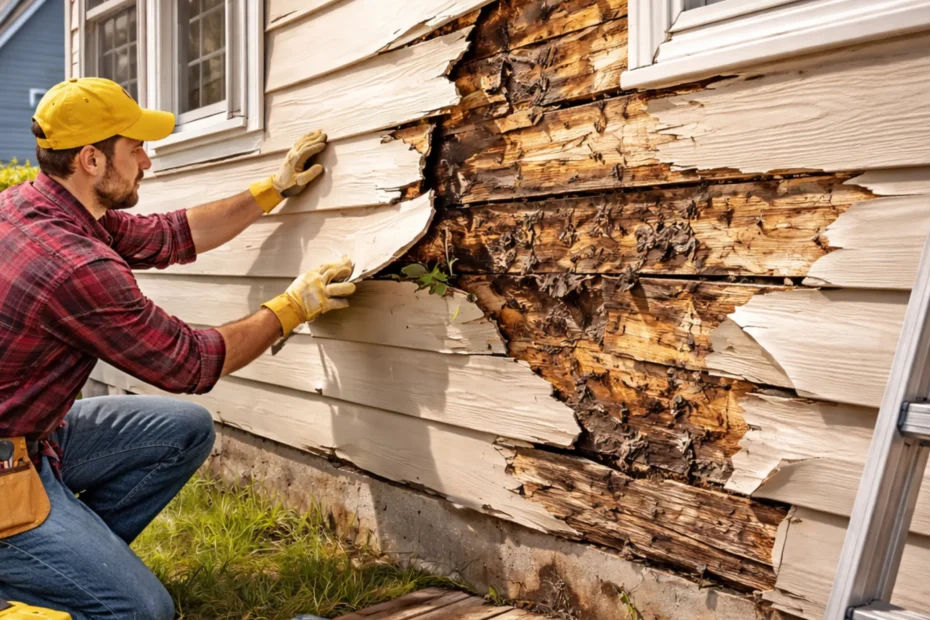
Your home’s exterior siding plays a vital role in protecting the structure from weather, moisture, and environmental damage. Over time, siding can wear down due to aging, storms, or poor maintenance.
Recognizing early warning signs can help homeowners address problems before they become costly repairs.
This Siding Repair guide explains the most common signs that indicate your home needs immediate attention and how timely Siding Repair helps maintain durability, appearance, and structural safety.
Why Timely Siding Repair Is Importa?
Exterior siding acts as a protective barrier for your home. It shields walls from rain, wind, sunlight, and temperature changes. When siding becomes damaged or loose, moisture can penetrate the structure and lead to mold growth, wood rot, and insulation problems.
Prompt Siding Repair helps prevent these issues by restoring the protective layer of the home. It also improves energy efficiency and preserves the overall value of the property.
Ignoring siding damage for too long often leads to more extensive structural repairs, making quick action essential.
Common Signs Your Home Needs Siding Repair
1. Visible Cracks or Hol
One of the clearest indications that siding needs attention is the appearance of cracks, gaps, or holes. These openings allow water and pests to enter the walls of your home.
Even small cracks can expand over time due to weather conditions. Addressing them early through Siding Repair prevents moisture infiltration and protects the structure from internal damage.
2. Warped or Buckling Panels
Siding panels should lie flat and secure against the exterior wall. When panels begin to warp, bulge, or buckle, it usually signals underlying moisture problems or improper installation.
Warped siding weakens the exterior barrier of your home. Professional Siding Repair can fix these issues and restore the proper alignment of the panels.
3. Peeling Paint or Fading Color
Although siding is designed to be durable, excessive fading or peeling paint may indicate underlying deterioration. When siding loses its protective finish, it becomes more vulnerable to moisture and environmental damage.
Regular inspections and timely Siding Repair help maintain the protective coating and keep the home exterior looking well-maintained.
4. Increased Energy Bills
Unexpected increases in heating or cooling costs may indicate that siding is no longer insulating the home effectively. Damaged or loose siding allows air to escape and outside temperatures to affect indoor comfort.
In many cases, Siding Repair helps seal gaps and restore insulation efficiency, leading to better energy performance and lower utility bills.
5. Mold, Mildew, or Water Stains
Dark stains, mold patches, or mildew on exterior walls often signal trapped moisture behind the siding. This issue should not be ignored because prolonged moisture exposure can lead to structural deterioration.
Professional Siding Repair addresses the root cause of water infiltration and helps prevent further damage to the walls and insulation.
6. Loose or Missing Panels
Strong winds, storms, or aging materials can cause siding panels to loosen or fall off completely. Missing panels expose the home’s interior structure to rain, pests, and temperature changes.
Quick Siding Repair ensures that all panels are properly secured and the exterior protection of the home is fully restored.
When to Consider Professional Inspection?
Homeowners may notice obvious signs of damage, but some siding problems are not immediately visible. Hidden moisture damage or weakened structural areas often require professional inspection.
Experienced contractors can evaluate the condition of the siding and recommend the most effective Siding Repair solutions. Regular inspections also help identify minor issues before they escalate into major repairs.
Preventive Maintenance Tips
Proper maintenance can extend the lifespan of siding and reduce the need for frequent repairs. Here are some simple practices homeowners can follow:
- Inspect siding twice a year for cracks or loose panels
- Clean the exterior surface to remove dirt and mold buildup
- Trim nearby tree branches to prevent impact damage
- Check for water stains or moisture buildup after heavy rain
Following these steps helps maintain the durability of your siding and reduces the chances of major Siding Repair projects.
Exterior siding is one of the most important protective elements of a home. When cracks, warping, moisture stains, or loose panels appear, they signal the need for immediate attention.
Addressing these issues early prevents water damage, improves energy efficiency, and protects the structural integrity of the house.
Timely Siding Repair not only restores the appearance of your home but also strengthens its ability to withstand weather and environmental conditions.
Regular inspections and prompt repairs ensure your siding continues to safeguard your home for many years.
FAQs
1. How do I know if my siding needs repair or replacement?
If the damage is limited to small cracks, loose panels, or minor warping, repairs are usually sufficient. Extensive damage may require replacement.
2. How often should siding be inspected?
Homeowners should inspect siding at least twice a year and after major storms to identify potential problems early.
3. Can damaged siding cause water leaks inside the house?
Yes. Cracks or gaps in siding allow moisture to enter the wall structure, which can lead to mold growth and interior water damage.