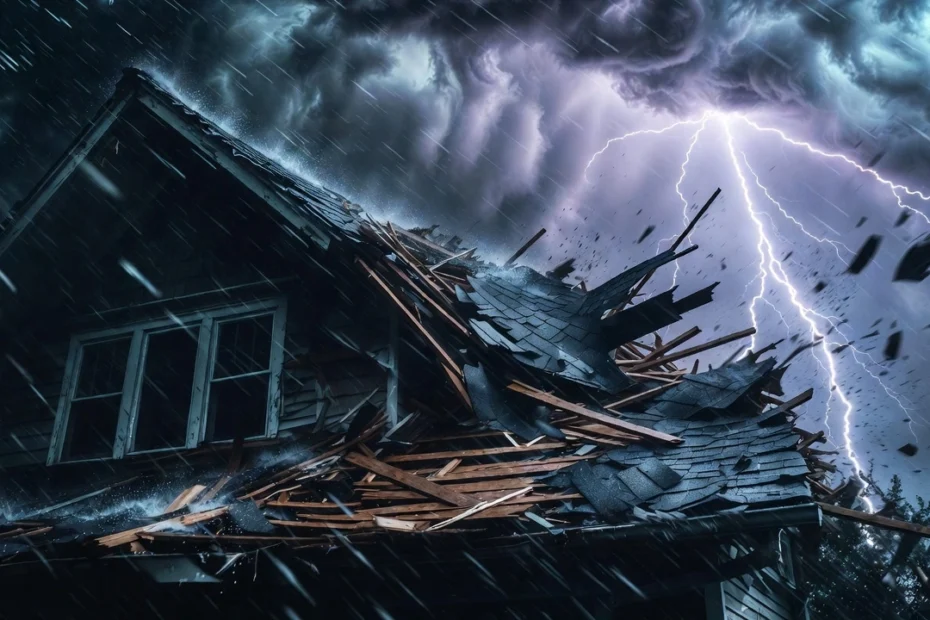
When a powerful storm hits your area, most people worry about broken windows or falling trees. But the biggest risk is often right above your head — your roof. Many homeowners think roofs fail only because of heavy rain, strong winds, or hail. But the truth is different.
The #1 reason roofs fail in extreme weather is actually poor roof installation. Yes, the real problem often starts long before the storm arrives. Even a small mistake during installation can turn into serious damage when extreme weather strikes. Let’s break it down in simple terms so you can protect your home the right way.
Why Roofs Fail During Extreme Weather
Extreme weather like hurricanes, heavy rainfall, snowstorms, hail, and heatwaves puts a lot of pressure on your roof. However, a properly installed roof is designed to handle these conditions. The problem usually begins when shortcuts are taken during installation.
Poor Installation Is the Main Cause
The biggest reason behind roof failure in extreme weather is improper installation. If roofing materials are not secured properly, sealed tightly, or aligned correctly, weak spots are created. During strong winds, shingles can lift. During heavy rain, water can enter gaps. Over time, this leads to leaks, mold, and structural damage.
Even the best roofing materials will not perform well if they are installed incorrectly.
Common Installation Mistakes That Lead to Roof Damage
Here are some common roofing errors that increase the risk of failure:
1. Incorrect Nailing
If nails are placed too high, too low, or not enough nails are used, shingles can easily blow away in strong winds.
2. Poor Flashing Installation
Flashing protects areas around chimneys, vents, and roof edges. If flashing is not sealed properly, rainwater can leak inside.
3. Weak or Cheap Underlayment
The roof underlayment acts as a protective layer under shingles. If this layer is low quality or installed poorly, water can reach the roof deck.
4. Improper Ventilation
Poor ventilation traps heat and moisture. This weakens the roof structure and reduces its lifespan.
How Extreme Weather Makes Small Problems Worse
Small mistakes may not show damage on normal days. But when extreme weather conditions arrive, these weak areas quickly become serious problems.
Below is a simple table showing how different weather conditions affect poorly installed roofs:
| Weather Condition | How It Damages a Poorly Installed Roof |
|---|---|
| Strong Winds | Lift loose shingles and tear them off |
| Heavy Rain | Water enters gaps and causes leaks |
| Hailstorms | Cracks weak shingles and flashing |
| Snow & Ice | Creates ice dams that push water under shingles |
| Extreme Heat | Expands materials and weakens poor seals |
As you can see, storms do not always create the problem — they expose existing weaknesses.
Other Factors That Increase Roof Failure Risk
Although poor roof installation is the main cause, other factors can make things worse:
Low-Quality Roofing Materials
Cheap materials may cost less at first, but they often fail during storms.
Lack of Maintenance
Ignoring small repairs allows damage to grow bigger over time.
Old Roof Age
Roofs older than 20–25 years are more likely to fail during severe weather.
Warning Signs Your Roof May Be at Risk
Before the next storm hits, check for these signs:
- Missing or curled shingles
- Water stains on ceilings
- Loose flashing around vents
- Sagging roof areas
- Roofing granules in gutters
If you notice any of these issues, schedule a roof inspection immediately.
How to Prevent Roof Failure in Extreme Weather
Prevention is always better than expensive repairs. Here’s what you can do:
Hire Certified Roofing Professionals
Always choose experienced and licensed contractors for roof installation.
Invest in High-Quality Materials
Use materials designed for your local climate and weather conditions.
Schedule Annual Inspections
Inspect your roof at least once a year and after major storms.
Repair Problems Early
Fix small leaks or loose shingles immediately before they turn into major damage.
Why Professional Installation Matters Most
A roof is not just shingles. It is a complete system that includes decking, underlayment, flashing, ventilation, and the outer layer. If even one part is installed incorrectly, the entire system becomes weak.
When extreme weather strikes, it tests every part of your roofing system. A properly installed roof can last decades. A poorly installed roof may fail in a single storm.
The #1 reason roofs fail in extreme weather is not the storm itself — it is poor roof installation. Strong winds, heavy rain, hail, snow, and heat only reveal the weak points that were already there. Small mistakes like improper nailing, weak flashing, or poor sealing can cause serious damage when severe weather hits.
If you want to protect your home, focus on quality installation, regular maintenance, and early repairs. Spending money on proper roofing now can save you thousands of dollars in future repair costs. A strong, well-installed roof does more than protect your house — it gives you peace of mind every time dark clouds appear in the sky.
FAQs
What is the main cause of roof failure during storms?
The main cause is poor roof installation, which creates weak points that fail during extreme weather.
How can I know if my roof was installed incorrectly?
Look for missing shingles, leaks, loose flashing, or sagging areas. A professional inspection is the best way to confirm.
How often should I get my roof inspected?
You should inspect your roof at least once a year and after any major storm.