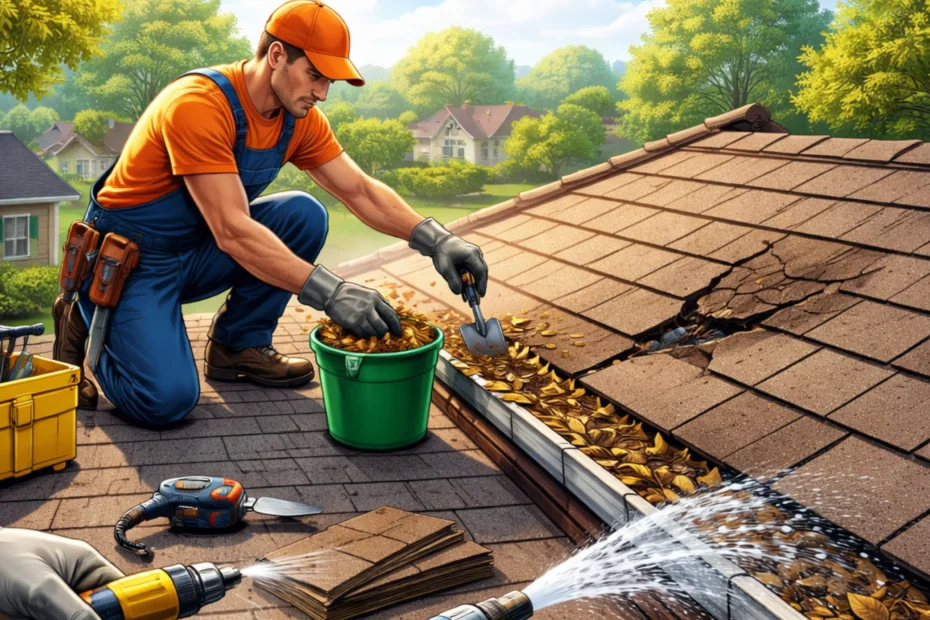
Proper roof maintenance is one of the most important responsibilities for homeowners who want to protect their property.
Regular roof maintenance prevents small problems from turning into expensive repairs and ensures that your roof remains durable throughout the year. Without routine roof maintenance, issues like leaks, mold growth, or structural damage can develop unnoticed.
A well-maintained roof not only safeguards your home from harsh weather but also improves energy efficiency and property value.
Implementing consistent roof maintenance practices allows homeowners to extend the lifespan of roofing materials and reduce long-term costs. In this guide, you will learn essential roof maintenance tips that help keep your roof strong, safe, and reliable for many years.
Why Roof Maintenance Is Important?
Consistent roof maintenance plays a critical role in maintaining the overall health of your home. Your roof is the first line of defense against rain, heat, snow, and strong winds. Over time, natural wear and tear can weaken roofing materials, making routine roof maintenance necessary.
Here are several reasons why roof maintenance should never be ignored:
- Prevents water leaks and interior damage
- Detects early signs of deterioration
- Increases roof lifespan
- Improves home safety
- Reduces costly emergency repairs
When homeowners prioritize roof maintenance, they can identify minor damage before it grows into a serious problem. This proactive approach saves both time and money.
Inspect Your Roof Regularly
Routine inspections are a fundamental part of effective roof maintenance. Checking your roof at least twice a year allows you to identify potential issues early.
During a roof maintenance inspection, look for the following signs:
- Missing or damaged shingles
- Cracked flashing around chimneys or vents
- Water stains in the attic
- Moss or algae growth
- Debris accumulation
After severe storms or strong winds, performing an additional roof maintenance inspection is recommended. Catching damage early helps prevent structural issues later.
Keep Gutters Clean and Functional
Gutters play a significant role in proper roof maintenance because they direct water away from your roof and foundation. When gutters become clogged with leaves, dirt, and debris, water can accumulate and damage roofing materials.
To improve your roof maintenance routine:
- Clean gutters every few months
- Remove leaves and debris regularly
- Ensure downspouts drain properly
- Check for sagging or broken sections
Maintaining clean gutters supports overall roof maintenance and helps prevent moisture buildup that could weaken the roof structure.
Remove Roof Debris
Another essential step in roof maintenance is clearing debris from the roof surface. Leaves, branches, and dirt can trap moisture and accelerate roof deterioration.
Proper roof maintenance includes:
- Removing fallen branches
- Sweeping away leaves
- Keeping roof valleys clear
- Avoiding heavy debris buildup
Debris left on the roof can also block drainage pathways, leading to water pooling and leaks. Regular cleaning helps maintain the efficiency of your roof maintenance efforts.
Trim Overhanging Tree Branches
Trees located close to your home can pose a risk to your roof. Overhanging branches may scrape roofing materials or break during storms. Incorporating tree trimming into your roof maintenance routine can significantly reduce these risks.
Benefits of trimming branches for roof maintenance include:
- Preventing physical roof damage
- Reducing leaf accumulation
- Limiting pest access to the roof
- Improving sunlight exposure
By managing nearby trees, homeowners can improve their roof maintenance strategy and protect their roof from unnecessary wear.
Check Flashing and Sealants
Flashing and sealants protect vulnerable areas of the roof such as chimneys, vents, and skylights. Over time, these materials can crack or deteriorate, making them an important focus during roof maintenance.
When performing roof maintenance, inspect:
- Chimney flashing
- Vent pipe seals
- Skylight edges
- Roof joints
Replacing worn flashing during routine roof maintenance prevents water from entering your home and causing internal damage.
Address Minor Repairs Quickly
One of the most effective roof maintenance habits is fixing small problems immediately. Delaying repairs can allow damage to spread and increase repair costs.
Examples of common roof maintenance repairs include:
- Replacing broken shingles
- Sealing small leaks
- Repairing flashing gaps
- Fixing loose roofing components
Timely repairs are a vital part of long-term roof maintenance and ensure that your roof remains structurally sound.
Schedule Professional Roof Maintenance
While homeowners can handle basic tasks, professional roof maintenance inspections provide a deeper evaluation of roof health. Roofing experts can identify hidden damage that may not be visible during a simple inspection.
A professional roof maintenance service typically includes:
- Detailed structural inspection
- Leak detection
- Shingle condition evaluation
- Flashing and sealant assessment
Scheduling annual professional roof maintenance ensures that your roof stays in optimal condition and meets safety standards.
Seasonal Roof Maintenance Tips
Weather changes can affect roofing materials, making seasonal roof maintenance important.
Spring and Summer Roof Maintenance
- Inspect shingles for heat damage
- Check attic ventilation
- Remove accumulated debris
Fall and Winter Roof Maintenance
- Clear gutters before heavy rain
- Inspect flashing before snowfall
- Ensure proper insulation
Seasonal roof maintenance helps your roof adapt to changing weather conditions and prevents unexpected damage.
Final Thoughts on Roof Maintenance
Consistent roof maintenance is essential for protecting your home and extending the lifespan of your roof. Simple tasks such as inspections, debris removal, gutter cleaning, and minor repairs can significantly improve roof performance.
When homeowners invest time in proper roof maintenance, they reduce the risk of leaks, structural damage, and expensive repairs.
Combining regular homeowner checks with professional roof maintenance services creates a reliable strategy for long-term roof protection. By following these practical tips, you can maintain a strong, durable roof that keeps your home safe in every season.
FAQs
How often should roof maintenance be done?
Homeowners should perform roof maintenance inspections at least twice a year and after major storms to detect potential damage early.
What are the most important roof maintenance tasks?
Essential roof maintenance tasks include cleaning gutters, inspecting shingles, removing debris, checking flashing, and repairing minor damage quickly.
Can roof maintenance extend roof lifespan?
Yes. Proper roof maintenance prevents early deterioration, helping roofing materials last longer and reducing the need for premature replacement.