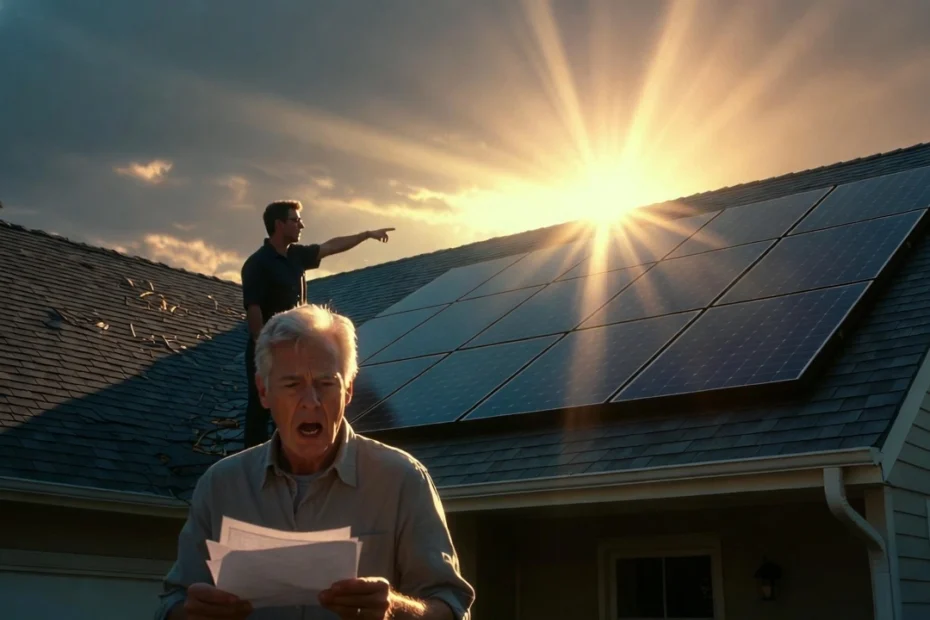
Installing solar panels at home sounds like a smart move. Lower electricity bills, clean energy, and long-term savings — who wouldn’t want that? Many families are now choosing solar energy because it helps reduce power costs and protects the environment.
But before you invest your money, there are some important things you should understand. Solar is not a small purchase. It is a long-term investment. Planning properly can help you avoid mistakes and save money in the future.
Let’s understand everything in simple language.
How Do Solar Panels Work?
Solar panels capture sunlight and convert it into electricity. They are usually placed on your rooftop where they get maximum sunlight. The electricity produced can power your home appliances like lights, fans, refrigerator, TV, and even air conditioners.
If your system produces extra electricity, it can be sent back to the power grid through net metering. In many areas, this reduces your electricity bill even more.
Things to Check Before Installing Solar Panels
1. Is Your Roof Suitable?
Your roof plays a very important role. Ask yourself:
- Does your roof receive direct sunlight most of the day?
- Are there trees or buildings creating too much shade?
- Is your roof strong and in good condition?
- Is your roof old and likely to need repair soon?
If your roof needs repair, it is better to fix it before installing solar panels. Removing panels later can increase your expenses.
2. Understand the Total Cost
Many people think solar panels are cheap because of subsidies. But the total cost depends on many factors.
Here is a simple breakdown:
| Factor | How It Affects Cost |
|---|---|
| System size | Bigger system means higher cost |
| Panel quality | Premium panels cost more |
| Inverter type | Advanced inverter increases price |
| Installation charges | Depends on company |
| Battery storage | Adds extra cost |
Although the upfront cost may look high, solar panels reduce electricity bills for 20 to 25 years. Over time, the savings can be significant.
3. Check Your Electricity Usage
Look at your past electricity bills. See how many units (kWh) you use every month.
If your usage is high, you may need a bigger system. Installing a smaller system will not reduce your bill completely. A professional installer can guide you in choosing the right size.
4. Government Subsidies and Policies
Many governments offer solar subsidies to encourage people to use clean energy. This can reduce your initial cost.
But you should check:
- Is subsidy available in your area?
- Is net metering allowed?
- How long does the approval process take?
Understanding these rules helps you avoid delays and confusion.
Benefits of Installing Solar Panels
Here are some major advantages of solar energy:
- Lower monthly electricity bills
- Protection from rising power prices
- Clean and eco-friendly energy
- Increase in property value
- Long system lifespan
Solar power reduces pollution and helps create a greener future.
Possible Challenges
Solar panels are beneficial, but there are some challenges:
- High initial investment
- Output depends on sunlight
- Battery storage is expensive
- Regular cleaning required
If your area has frequent cloudy weather, electricity production may reduce slightly. However, modern systems are designed to work efficiently even in moderate sunlight.
Do You Need a Battery?
Some homeowners install batteries to store extra electricity. This is useful if:
- Your area has frequent power cuts
- You want backup at night
- You want more independence from the grid
But batteries increase the total system cost. If your area has stable electricity and net metering, you may not need one.
Choosing the Right Solar Company
Always choose a trusted and experienced installer. Before finalizing, check:
- Customer reviews
- Warranty details
- After-sales service
- Years of experience
Good companies offer 10 to 25 years warranty on panels. A proper warranty protects your investment.
Maintenance and Lifespan
Solar panels need simple maintenance. Cleaning dust and dirt every few months keeps them efficient.
Most systems last 20 to 25 years. Inverters may need replacement after 8 to 12 years.
Installing solar panels can be one of the smartest decisions for your home if you plan carefully. It helps lower electricity bills, protects you from rising power costs, and supports clean energy.
However, before investing, you must check your roof condition, calculate your electricity usage, understand total costs, and review government policies. Solar energy is a long-term commitment, so taking time to research and choose the right system is very important.
When done properly, a home solar system can provide savings and benefits for decades while also helping the environment.
FAQs
How long do solar panels last?
Most solar panels last between 20 and 25 years, and they continue producing electricity even after that at slightly lower efficiency.
Do solar panels work during cloudy weather?
Yes, they still produce electricity on cloudy days, but the output will be lower compared to sunny days.
Is installing solar panels worth it?
If your electricity bills are high and your roof gets good sunlight, solar panels can save you money in the long run.