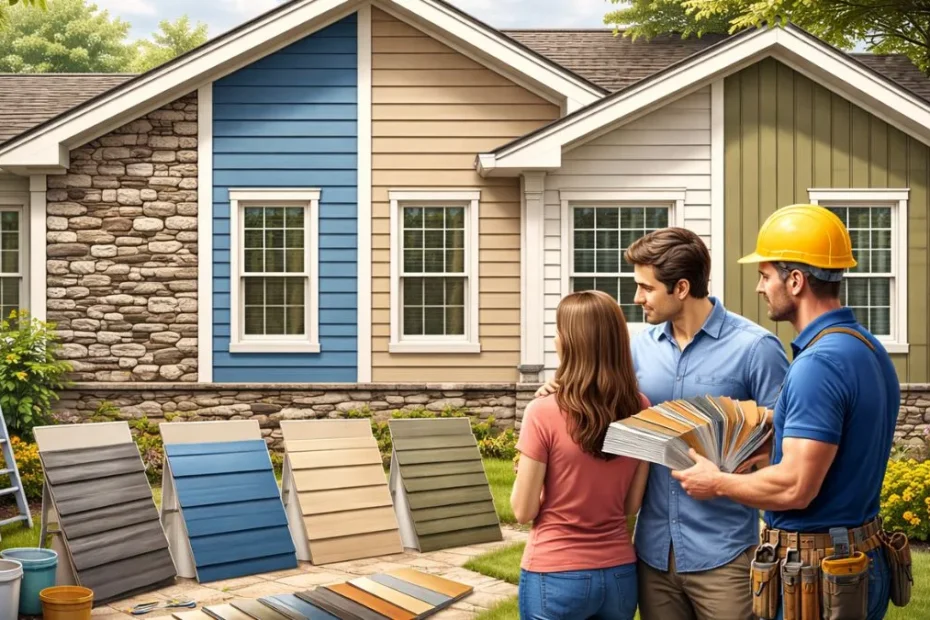
Upgrading your home’s exterior is one of the best ways to improve both its appearance and protection. One of the most important elements of any exterior renovation is home siding. Siding not only enhances curb appeal but also protects your house from rain, wind, temperature changes, and other environmental factors.
Choosing the best siding for your home exterior upgrade can be challenging because there are many materials, styles, and price ranges available. Each siding type offers different levels of durability, maintenance, and energy efficiency.
This complete guide explains the most popular siding options, key factors to consider, and how to select the right siding material for your home.
Why Siding Is Important for Your Home?
Siding plays a major role in protecting your property and improving its visual appeal. A high-quality siding system provides insulation, protects the structure, and helps maintain comfortable indoor temperatures.
Some key benefits of installing quality exterior siding include:
- Protects the home from weather damage
- Improves curb appeal and property value
- Increases energy efficiency
- Reduces maintenance costs
- Provides additional insulation
An exterior siding upgrade can significantly improve the overall look and performance of your home.
Key Factors to Consider When Choosing Siding
Before selecting siding materials, homeowners should consider several important factors.
1. Climate and Weather Conditions
Your local climate plays a major role in determining the best siding material. Homes in areas with heavy rainfall, strong winds, or extreme heat require siding that can withstand harsh weather conditions.
For example:
- Metal siding works well in windy areas
- Fiber cement performs well in humid climates
- Vinyl siding handles various weather conditions effectively
2. Durability and Lifespan
Different siding materials have different lifespans. Choosing durable siding ensures your home remains protected for many years.
| Siding Material | Average Lifespan |
|---|---|
| Vinyl Siding | 20 – 40 years |
| Fiber Cement | 40 – 50 years |
| Wood Siding | 20 – 30 years |
| Metal Siding | 40 – 70 years |
| Brick or Stone | 50 – 100 years |
Durable siding materials reduce the need for frequent repairs and replacements.
3. Maintenance Requirements
Some siding materials require more maintenance than others. Homeowners who prefer low-maintenance solutions should consider materials like vinyl or metal siding, which require minimal upkeep.
Wood siding, while attractive, needs regular painting, sealing, and protection against pests.
4. Energy Efficiency
Modern siding materials can improve insulation and reduce energy costs.
Certain siding systems include insulated panels that help maintain indoor temperature by preventing heat loss in winter and reducing heat absorption during summer.
Energy-efficient siding can significantly lower heating and cooling bills.
5. Budget and Installation Costs
Siding materials vary greatly in cost. When planning an exterior upgrade, homeowners should consider both material cost and installation expenses.
Some materials may be cheaper initially but require more maintenance over time.
Choosing the right siding involves balancing cost, durability, and long-term performance.
Popular Types of Siding Materials
Understanding the most common siding options can help homeowners make the right choice.
Vinyl Siding
Vinyl siding is one of the most widely used siding materials in residential construction.
Benefits include:
- Affordable and cost-effective
- Low maintenance
- Available in many colors and styles
- Resistant to moisture and insects
Vinyl siding is a great option for homeowners seeking a budget-friendly and durable exterior upgrade.
Fiber Cement Siding
Fiber cement siding is made from cement, sand, and cellulose fibers. It is known for its durability and weather resistance.
Advantages include:
- Fire-resistant
- Resistant to pests and rot
- Long lifespan
- Strong protection against weather
Fiber cement siding is ideal for homeowners looking for long-term durability.
Wood Siding
Wood siding provides a natural and classic appearance that many homeowners prefer.
Benefits include:
- Beautiful and traditional look
- Eco-friendly material
- Can be painted or stained in various colors
However, wood siding requires regular maintenance to prevent moisture damage and insect infestations.
Metal Siding
Metal siding, including aluminum and steel, is becoming increasingly popular for modern homes.
Key advantages include:
- Extremely durable
- Resistant to fire and pests
- Minimal maintenance required
- Long lifespan
Metal siding is an excellent option for homeowners who want strong protection and a contemporary appearance.
Brick and Stone Siding
Brick and stone siding offer a timeless and luxurious appearance. These materials are extremely durable and require very little maintenance.
Benefits include:
- Exceptional durability
- Strong weather resistance
- Excellent insulation
- Long lifespan
Although brick and stone siding can be more expensive, they provide long-term value and aesthetic appeal.
Choosing the Right Siding Style
In addition to materials, siding styles also play an important role in your home’s appearance.
Popular siding styles include:
- Horizontal lap siding
- Vertical siding panels
- Shingle or shake siding
- Board and batten siding
Selecting a style that complements your home’s architecture will enhance curb appeal and create a cohesive design.
Professional Siding Installation Matters
Even the best siding materials will not perform well if they are installed incorrectly. Hiring professional siding contractors ensures proper installation and long-lasting results.
Professional installers provide:
- Correct insulation and sealing
- Proper moisture protection
- Accurate panel alignment
- Long-lasting installation quality
Experienced contractors also help homeowners choose the best materials based on their climate, budget, and design preferences.
Tips for a Successful Exterior Upgrade
When upgrading your home siding, keep the following tips in mind:
- Choose durable materials suitable for your climate
- Select colors and styles that match your home design
- Consider energy-efficient siding options
- Hire experienced siding professionals
- Plan for long-term maintenance and care
Proper planning ensures your siding upgrade improves both the appearance and functionality of your home.
Choosing the best siding for your home exterior upgrade is an important decision that affects both protection and appearance. High-quality siding improves curb appeal, enhances energy efficiency, and protects your home from weather damage.
Homeowners should consider factors such as climate, durability, maintenance requirements, and budget when selecting siding materials. Popular options like vinyl, fiber cement, wood, metal, and brick siding each offer unique advantages.
By working with professional siding contractors and selecting the right materials, homeowners can create a beautiful and durable exterior that lasts for decades. A well-planned siding upgrade not only improves your home’s appearance but also increases property value and long-term protection.
FAQs
1. What is the most durable siding material for homes?
Fiber cement, brick, and metal siding are among the most durable options and can last several decades with minimal maintenance.
2. Which siding option requires the least maintenance?
Vinyl and metal siding are low-maintenance materials that require minimal cleaning and rarely need repairs.
3. How often should siding be replaced?
Most siding materials last 20 to 50 years, depending on the material, climate conditions, and maintenance.