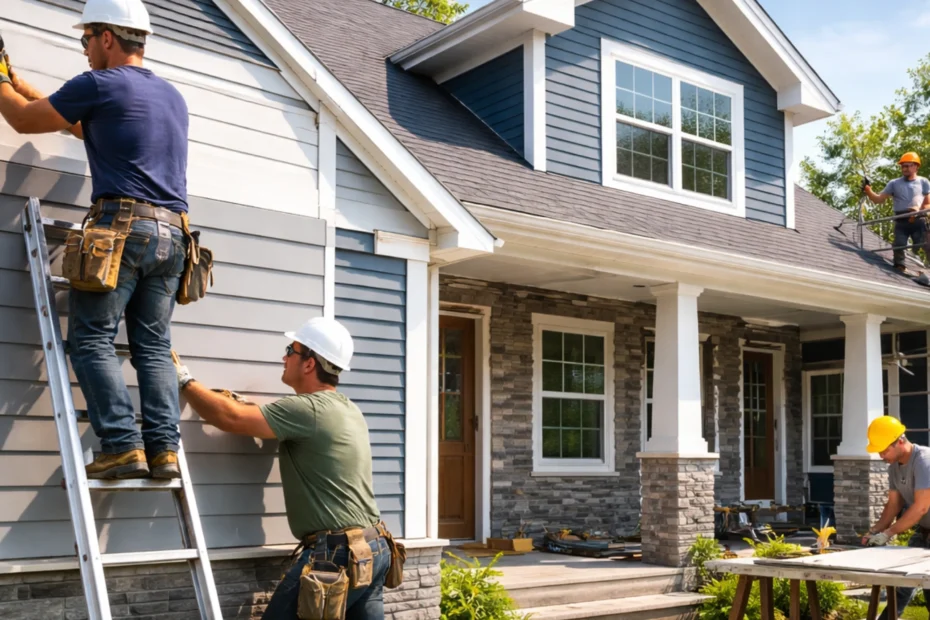
Your home’s exterior plays a crucial role in protecting the structure and enhancing its appearance. Siding installation is one of the most effective ways to enhance your home’s exterior while improving its visual appeal.
Properly installed siding acts as a protective barrier against harsh weather, moisture, and environmental damage.
Many homeowners overlook the importance of professional help during siding installation, but expert installation ensures durability, energy efficiency, and long-term value.
Understanding the materials, benefits, and installation process can help homeowners make informed decisions about exterior upgrades.
What Is Siding Installation?
Siding installation refers to the process of attaching protective exterior materials to the outer walls of a home. These materials shield the structure from rain, wind, heat, and other environmental factors.
Beyond protection, siding installation also contributes significantly to a home’s curb appeal. Modern siding options are designed to combine durability with aesthetic flexibility, allowing homeowners to select styles that complement their architecture.
Professional contractors carefully handle siding installation to ensure proper alignment, insulation, and sealing, which are critical for maintaining structural protection.
Key Benefits of Professional Siding Installation
1. Improved Weather Protection
One of the biggest advantages of siding installation is enhanced protection against extreme weather conditions. Quality siding acts as a barrier that prevents water infiltration, reduces wind impact, and protects walls from long-term damage.
Professionally completed siding installation ensures that seams and edges are sealed correctly, preventing moisture from entering the structure.
2. Increased Energy Efficiency
Well-executed siding installation can improve a home’s insulation. Certain siding materials provide additional thermal resistance, helping maintain indoor temperatures throughout the year.
This added insulation reduces heating and cooling demands, leading to lower energy costs and a more comfortable living environment.
3. Enhanced Curb Appeal
A fresh exterior dramatically changes the overall look of a home. Modern siding installation offers a variety of colors, textures, and finishes that allow homeowners to personalize their property’s appearance.
New siding can also increase resale value, making it a worthwhile investment for homeowners planning future property sales.
4. Lower Maintenance Requirements
Many modern siding materials are designed to require minimal upkeep. After proper siding installation, homeowners often spend less time repainting, repairing, or maintaining exterior walls.
Durable siding materials resist fading, cracking, and insect damage, making them a practical long-term solution.
Common Materials Used in Siding Installation
Different siding materials offer unique advantages depending on climate, budget, and design preferences.
Vinyl Siding
Vinyl is one of the most popular choices because it is affordable, lightweight, and easy to maintain. It also comes in many color options and styles.
Fiber Cement Siding
Fiber cement is known for its strength and resistance to fire, pests, and moisture. It provides the appearance of wood while offering better durability.
Wood Siding
Wood siding delivers a natural and classic aesthetic. Although it requires more maintenance, it remains a preferred choice for traditional architectural styles.
Metal Siding
Metal siding, including aluminum and steel options, offers exceptional durability and resistance to environmental damage.
Choosing the right material is an important part of the siding installation process and should align with both functional and aesthetic goals.
Why Professional Siding Installation Matters?
While some homeowners attempt DIY projects, professional siding installation ensures the job is completed correctly and efficiently.
Proper Installation Techniques
Experts understand the correct spacing, fastening methods, and moisture barriers required for reliable siding installation.
Better Long-Term Durability
Incorrect installation can cause gaps, leaks, and structural damage. Professional siding installation reduces these risks and extends the lifespan of exterior materials.
Warranty Protection
Many siding manufacturers require certified installers for warranty eligibility. Choosing professional siding installation helps ensure that warranties remain valid.
How to Prepare for a Siding Installation Project?
Before beginning a siding upgrade, homeowners should take a few important steps.
Assess Your Exterior Needs
Inspect existing walls to identify damage or structural issues that need repair.
Select the Right Material
Compare siding materials based on durability, maintenance, cost, and design preferences.
Choose Experienced Contractors
Professional contractors ensure that siding installation meets industry standards and local building codes.
Upgrading your home’s exterior is a significant investment, and siding installation plays a vital role in improving both protection and appearance.
Proper siding enhances energy efficiency, shields your home from environmental damage, and increases property value.
While materials and design choices vary, the quality of siding installation ultimately determines long-term performance.
Professional installers ensure that siding is securely fitted, properly sealed, and built to withstand changing weather conditions.
By selecting durable materials and relying on experienced professionals, homeowners can ensure that their siding upgrade provides lasting beauty, efficiency, and protection for years to come.
FAQs
1. How long does siding installation usually take?
Most residential siding installation projects take between a few days and a week depending on home size, material type, and weather conditions.
2. What is the most durable siding material?
Fiber cement and metal siding are considered among the most durable options for siding installation because of their resistance to moisture, fire, and pests.
3. Is siding installation worth the investment?
Yes. Professional siding installation improves energy efficiency, protects the structure, and increases property value, making it a worthwhile long-term upgrade.