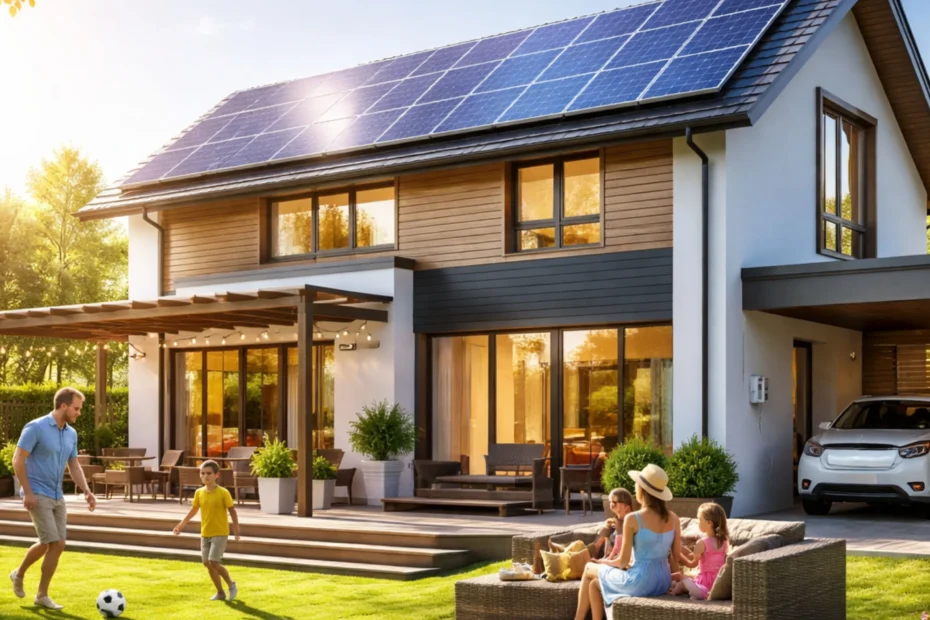
Solar Energy is becoming one of the most popular renewable energy solutions for homeowners around the world.
Rising electricity costs, environmental concerns, and technological advancements have encouraged many households to consider solar systems as a long-term power solution. By converting sunlight into electricity, solar systems provide a clean and sustainable way to power homes.
Modern homes are increasingly integrating Solar Energy solutions to improve energy efficiency and reduce dependence on traditional electricity sources.
With improved panel technology, government incentives, and long-term savings potential, installing solar systems has become a practical and smart investment for homeowners.
This guide explores the key advantages, working principles, and reasons why more homes are switching to Solar Energy.
Understanding How Solar Power Works
Before exploring its advantages, it is important to understand how Solar Energy systems operate in residential settings.
Solar panels capture sunlight and convert it into electricity using photovoltaic cells. The generated electricity then passes through an inverter, which converts it into usable power for household appliances. In some cases, extra electricity can be stored in batteries or sent back to the power grid.
This process allows homeowners to use Solar Energy throughout the day while reducing their dependence on conventional electricity sources.
Major Advantages of Solar Power for Homeowners
Installing a solar system offers numerous benefits beyond simply generating electricity. Here are some of the most significant advantages homeowners experience when adopting Solar Energy.
1. Lower Electricity Bills
One of the main reasons homeowners install solar systems is the potential to significantly reduce monthly electricity expenses. When your home produces its own power, the amount of electricity you purchase from the grid decreases.
Over time, the savings generated through Solar Energy can help offset the initial installation costs, making it a financially smart investment.
2. Environmentally Friendly Power Source
Unlike fossil fuels, solar power does not produce harmful emissions or pollution. By switching to Solar Energy, homeowners contribute to reducing carbon footprints and promoting cleaner air.
Renewable energy sources like solar play a critical role in combating climate change and protecting the environment for future generations.
3. Increased Property Value
Homes equipped with solar systems often have higher market value compared to properties without renewable energy installations. Buyers today are increasingly interested in energy-efficient homes that offer long-term savings.
Because of these benefits, properties powered by Solar Energy tend to attract more buyers and sell faster in competitive real estate markets.
4. Long-Term Energy Reliability
Solar panels are designed to last for decades with minimal maintenance. Most systems can operate efficiently for 25 years or longer, providing a reliable energy source for homeowners.
As energy demand increases globally, using Solar Energy ensures a more stable and independent power supply for modern households.
5. Government Incentives and Rebates
Many governments encourage renewable energy adoption through tax benefits, subsidies, and financial incentives. These programs help reduce the upfront cost of installing solar systems.
Homeowners who invest in Solar Energy often benefit from rebates and net-metering policies that make solar installations more affordable.
Why Modern Homes Are Switching to Solar?
The popularity of solar technology continues to grow as homeowners look for sustainable solutions. Several factors contribute to the widespread adoption of Solar Energy in residential construction and renovation projects.
Rising Electricity Costs
Traditional electricity prices continue to increase in many regions. Solar systems provide homeowners with an opportunity to generate their own power and reduce reliance on expensive grid electricity.
Improved Solar Technology
Advancements in solar panel design have made systems more efficient and affordable than ever before. Modern panels generate more electricity even with limited sunlight.
Energy Independence
Generating your own electricity provides greater control over household energy consumption. Homes powered by Solar Energy are less vulnerable to fluctuating energy prices and supply disruptions.
Sustainable Living
Eco-friendly living is becoming a priority for many families. Solar systems align perfectly with sustainable lifestyle choices by providing clean and renewable power.
Things Homeowners Should Consider Before Installation
Although solar systems offer numerous benefits, homeowners should evaluate several factors before installation.
Roof Condition and Space
Solar panels require adequate roof space and proper orientation to receive maximum sunlight. A professional evaluation ensures the system will operate efficiently.
Initial Installation Cost
While long-term savings are significant, installing solar panels requires an initial investment. However, financing options and incentives can help make the installation more affordable.
Local Climate Conditions
Solar panels work best in areas with consistent sunlight. Even in cloudy regions, modern systems can still generate a useful amount of electricity.
Careful planning ensures homeowners get the maximum benefit from Solar Energy systems.
Maintenance and Longevity of Solar Systems
One reason solar technology is attractive to homeowners is its minimal maintenance requirement. Panels typically require occasional cleaning to remove dust or debris that might block sunlight.
Professional inspections every few years can ensure the system continues operating at peak efficiency. With proper care, solar panels can provide consistent Solar Energy production for decades.
Adopting Solar Energy is one of the most effective ways homeowners can reduce electricity costs while supporting a cleaner environment. Solar systems provide reliable renewable power, increase property value, and promote long-term sustainability.
As technology improves and installation costs continue to decrease, solar power is becoming more accessible to homeowners worldwide.
Investing in Solar Energy today not only benefits individual households but also contributes to a greener and more sustainable future.
FAQs
Is solar power suitable for every home?
Most homes can benefit from solar panels, but roof orientation, available sunlight, and structural conditions should be evaluated before installation.
How long do solar panels last?
High-quality solar panels typically last between 25 and 30 years while maintaining efficient electricity production.
Do solar systems work during cloudy weather?
Yes, solar panels can still generate electricity during cloudy conditions, although energy production may be lower compared to sunny days.