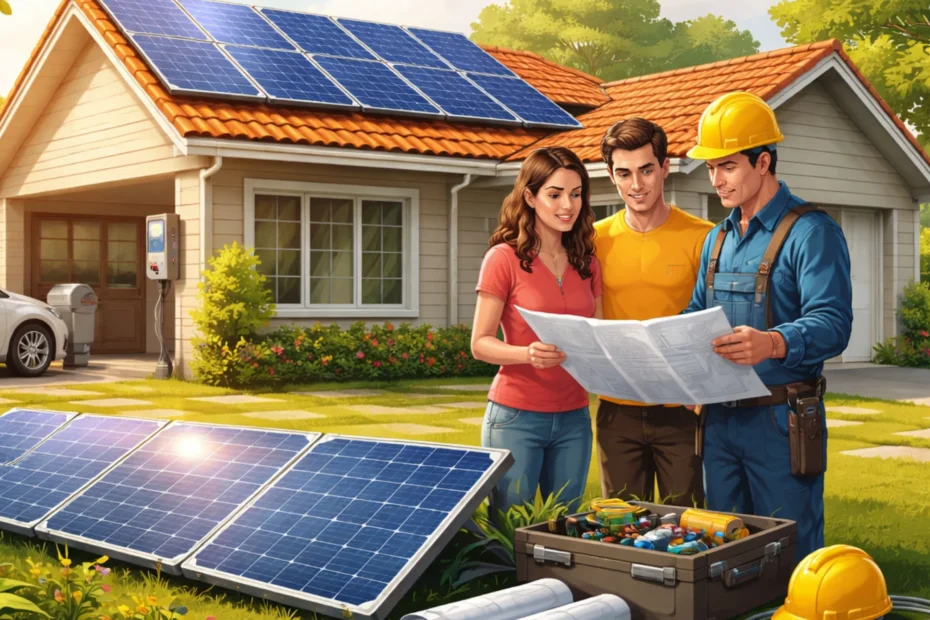
Solar Installation is becoming one of the most practical solutions for homeowners who want to reduce electricity bills while supporting clean energy.
With rising energy costs and growing environmental awareness, many households are considering solar power systems for their properties. Understanding how solar systems work, the installation process, and the potential benefits can help homeowners make informed decisions.
This guide explains the essential aspects of Solar Installation, including preparation, costs, benefits, and what to expect before installing a solar energy system at home.
Understanding Solar Installation for Homes
A residential Solar Installation involves placing solar panels on rooftops or other suitable areas to capture sunlight and convert it into electricity. These systems rely on photovoltaic (PV) technology, which transforms solar energy into usable electrical power for household appliances.
A typical home solar system includes:
- Solar panels that capture sunlight
- An inverter that converts energy into usable electricity
- Mounting equipment to secure panels
- Wiring and monitoring systems
Together, these components create an efficient system that generates renewable power directly from sunlight.
Why Homeowners Are Choosing Solar Energy?
The popularity of solar power has increased significantly in recent years. Many homeowners see Solar Installation as a smart investment that delivers financial and environmental benefits.
Some of the most common reasons people install solar systems include:
Lower Electricity Bills
One of the main advantages of installing solar panels is the reduction in monthly electricity costs. Once the system is operational, homeowners can generate their own power instead of relying entirely on the utility grid.
Clean and Renewable Energy
Solar energy is a sustainable resource that does not produce harmful emissions. Choosing Solar Installation helps reduce dependence on fossil fuels and lowers the environmental impact of household energy consumption.
Increased Property Value
Homes equipped with solar systems are often more attractive to buyers. A properly installed solar setup can increase property value and improve long-term resale potential.
Key Factors to Consider Before Solar Installation
Before starting a Solar Installation, homeowners should evaluate several important factors to ensure the system will work efficiently.
Roof Condition and Orientation
Solar panels perform best on roofs that receive consistent sunlight. Ideally, roofs should face south or southwest with minimal shade from trees or nearby buildings. The structural condition of the roof must also be strong enough to support the panels.
Energy Consumption
Understanding household electricity usage helps determine the correct system size. Reviewing past utility bills allows installers to design a solar system that meets the home’s energy needs.
Local Regulations and Permits
Many regions require permits and inspections before installation begins. Professional installers usually manage these approvals, ensuring the system complies with local building and electrical codes.
The Solar Installation Process
The process of installing a solar system usually follows several key steps.
Site Assessment
A professional installer evaluates the home to determine roof suitability, sun exposure, and electrical system compatibility.
System Design
After the evaluation, experts design a solar system tailored to the homeowner’s energy needs and available space.
Permits and Approvals
Before work begins, installers secure the necessary permits and approvals from local authorities or utility providers.
Panel Installation
During the actual Solar Installation, technicians mount the panels, connect wiring, and install the inverter system.
System Testing and Activation
Once installation is complete, the system is inspected and tested before it becomes fully operational.
Cost of Solar Installation
The cost of a solar system depends on several factors, including system size, equipment quality, and installation complexity.
Although the upfront investment may seem significant, Solar Installation often provides long-term financial benefits. Over time, the reduction in electricity bills can offset the initial costs.
Some regions also offer incentives such as tax credits, rebates, or net-metering programs, which can further reduce the overall cost of installing solar panels.
Long-Term Benefits of Solar Power
Installing a solar energy system offers benefits that extend beyond immediate savings.
Energy Independence
With solar panels generating electricity, homeowners rely less on utility companies and fluctuating energy prices.
Reduced Environmental Impact
Switching to renewable energy helps decrease greenhouse gas emissions and supports a cleaner environment.
Low Maintenance
Solar panels typically require minimal maintenance. Occasional cleaning and periodic inspections are usually enough to keep the system operating efficiently.
Tips for Choosing a Reliable Solar Installer
Selecting the right installer is crucial for a successful Solar Installation project. Homeowners should look for:
- Certified and experienced installers
- Positive customer reviews
- Transparent pricing and warranties
- Clear system performance guarantees
A reputable installer ensures the solar system is designed and installed safely while maximizing energy production.
Switching to solar energy is an important step toward sustainable living and lower energy costs. By understanding the process, evaluating home suitability, and choosing experienced professionals, homeowners can ensure a successful Solar Installation that delivers long-term benefits.
Solar power systems provide reliable renewable energy, reduce dependence on traditional electricity sources, and support environmental conservation.
For many households, investing in solar technology is not only a smart financial decision but also a meaningful contribution toward a cleaner future.
FAQs
How long does solar installation take for a home?
Most residential solar systems can be installed within one to three days after permits and approvals are completed.
Do solar panels work during cloudy weather?
Yes, solar panels still produce electricity during cloudy conditions, although energy output may be lower compared to sunny days.
How long do solar panels last?
Most solar panels have a lifespan of 25 to 30 years and continue producing electricity efficiently with minimal maintenance.