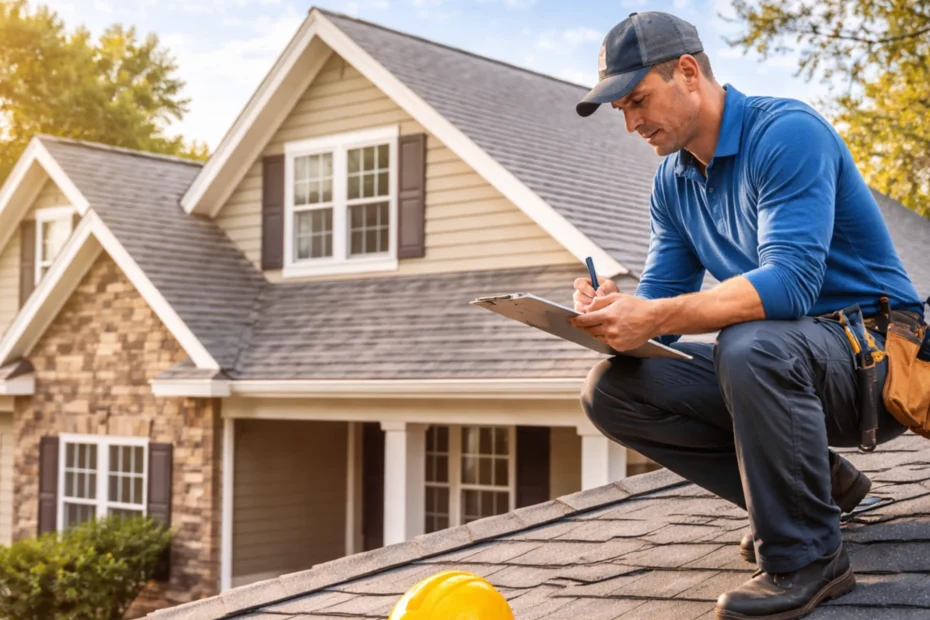
Your home’s roof is one of its most important structural components. A regular roof inspection ensures that minor issues such as cracked shingles, leaks, or moisture damage are discovered before they become serious and expensive problems.
Many homeowners only think about their roof when visible damage appears, but scheduling a yearly roof inspection can significantly extend the life of your roofing system.
A professional roof inspection helps identify early warning signs that may otherwise go unnoticed.
By performing a detailed evaluation of the roof’s surface, flashing, drainage systems, and structural components, experts can determine whether maintenance, repair, or replacement is required. This proactive approach protects your home from costly structural damage.
In this guide, we will explore why annual roof inspection services are essential, what professionals look for during inspections, and how homeowners can benefit from routine evaluations.
Why Annual Roof Inspection Is Important?
A yearly roof inspection plays a critical role in maintaining the safety and durability of your home. Weather conditions, aging materials, and environmental factors can slowly weaken roofing structures.
Here are the key reasons every homeowner should schedule a regular roof inspection:
1. Detect Problems Early
Small roof issues can develop into serious structural damage if left untreated. A thorough roof inspection can uncover hidden problems such as small leaks, loose shingles, or deteriorating flashing before they worsen.
2. Prevent Expensive Repairs
Addressing problems early after a roof inspection can save homeowners thousands of dollars. Minor repairs are much cheaper compared to replacing large sections of the roof.
3. Extend Roof Lifespan
A well-maintained roof can last several decades. Regular roof inspection ensures that damaged components are repaired quickly, helping roofing materials last longer.
4. Protect Interior Spaces
Leaks and moisture damage can affect ceilings, insulation, and walls. Scheduling an annual roof inspection reduces the risk of water intrusion and protects the interior of your home.
5. Maintain Property Value
A home with a well-maintained roof is more attractive to buyers. Routine roof inspection reports also provide documentation that proves the roof is in good condition.
Professional Roof Inspection Checklist
During a professional roof inspection, roofing experts evaluate multiple parts of the roofing system. The inspection process is detailed and focuses on both visible and hidden components.
Below is a common roof inspection checklist used by professionals.
1. Shingles and Roofing Materials
The first step in any roof inspection is examining the roofing materials themselves.
Inspectors check for:
- Cracked or broken shingles
- Missing shingles
- Curling or warped edges
- Granule loss on asphalt shingles
Damaged shingles are often the earliest signs discovered during a roof inspection, and replacing them quickly prevents water penetration.
2. Roof Flashing and Seals
Flashing is installed around chimneys, vents, and skylights to prevent water leaks.
During a roof inspection, professionals evaluate:
- Rusted flashing
- Loose flashing
- Cracked sealant around roof joints
A compromised flashing system is a major cause of leaks, which is why every roof inspection carefully evaluates these areas.
3. Gutters and Drainage Systems
Proper drainage is essential for protecting your roof and foundation. A thorough roof inspection includes checking gutters and downspouts.
Inspectors look for:
- Clogged gutters
- Water pooling on the roof
- Loose gutter attachments
- Poor drainage flow
Blocked drainage systems can cause water buildup that damages roofing materials, making this step essential in any roof inspection.
4. Roof Structure and Decking
The structural integrity of the roof is another critical part of a professional roof inspection.
Inspectors check for:
- Sagging roof lines
- Soft spots in the roof deck
- Signs of structural stress
- Water damage in the attic
Structural issues discovered during a roof inspection may require immediate attention to prevent severe damage.
5. Ventilation and Insulation
Proper airflow inside the attic prevents moisture buildup and overheating.
During a roof inspection, professionals evaluate:
- Attic ventilation systems
- Insulation levels
- Signs of mold or moisture
Poor ventilation discovered during a roof inspection can lead to higher energy bills and faster roof deterioration.
Signs You Need an Immediate Roof Inspection
Although yearly inspections are recommended, certain warning signs indicate that you should schedule a roof inspection immediately.
Look out for these signs:
- Water stains on ceilings
- Missing or damaged shingles
- Sagging roof sections
- Mold growth in the attic
- Sudden increases in energy bills
If you notice any of these issues, arranging a professional roof inspection as soon as possible can prevent serious structural damage.
Benefits of Hiring a Professional Roof Inspector
While homeowners can visually examine their roof, a professional roof inspection offers several advantages.
Expert Knowledge
Professionals understand roofing materials and structural components, allowing them to perform a more accurate roof inspection.
Safety
Climbing onto roofs can be dangerous. Professional inspectors have the proper equipment and experience to perform a safe roof inspection.
Detailed Reports
After a roof inspection, homeowners typically receive a written report detailing the roof’s condition and recommended repairs.
Insurance and Warranty Support
A documented roof inspection can help with insurance claims and may be required to maintain roofing warranties.
How Often Should You Schedule a Roof Inspection?
Experts recommend scheduling a professional roof inspection at least once per year. However, additional inspections may be necessary after severe weather events such as storms, hail, or heavy winds.
Seasonal roof inspection appointments—especially during spring and fall—allow homeowners to prepare their roofs for extreme weather conditions.
Routine inspections ensure that roofing systems remain durable and reliable year after year.
A regular roof inspection is one of the most effective ways to protect your home from structural damage and expensive repairs. By identifying potential problems early, homeowners can address issues before they escalate into major roofing failures.
Annual roof inspection services evaluate shingles, flashing, drainage systems, and structural components to ensure everything remains in good condition. Hiring a professional inspector not only improves safety but also provides detailed insights into the health of your roof.
Ultimately, investing in a yearly roof inspection helps extend the life of your roof, maintain your property value, and provide peace of mind knowing your home is well protected.
FAQs
How long does a roof inspection take?
A professional roof inspection usually takes between 45 minutes and two hours depending on roof size, complexity, and accessibility.
Can homeowners perform their own roof inspection?
Homeowners can conduct basic visual checks, but a professional roof inspection is recommended because experts can identify hidden structural problems.
How much does a roof inspection cost?
The cost of a roof inspection typically ranges from $100 to $400 depending on roof size, location, and inspection type.