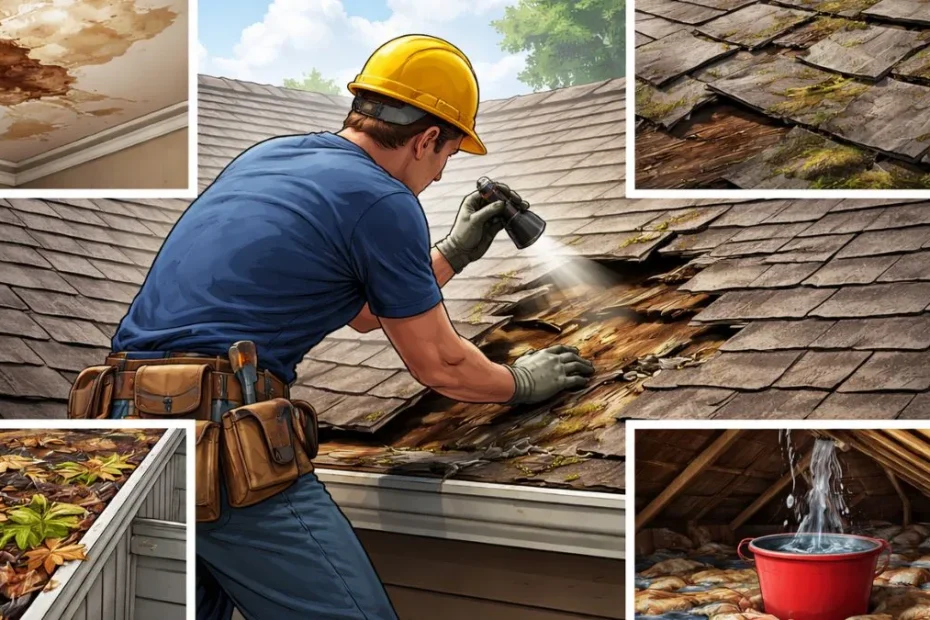
Your roof is one of the most important parts of your home. It protects you, your family, and your belongings from rain, wind, heat, and snow. However, many homeowners ignore small roofing problems until they turn into expensive repairs. Understanding the signs your roof needs repair or replacement can help you fix issues early and avoid major damage to your property.
In this article, we will explain the most common warning signs of roof damage, when you should repair or replace your roof, and why early action can save you money.
Why Roof Maintenance Is Important?
A strong and well-maintained roofing system protects your home from weather damage and improves energy efficiency. If roof issues are ignored, water leaks and structural damage can occur, leading to costly repairs.
Regular roof inspections help homeowners detect problems early and keep their homes safe.
Some benefits of timely roof repair or replacement include:
- Preventing water leaks and mold growth
- Protecting your home’s structure
- Increasing property value
- Improving energy efficiency
- Avoiding expensive emergency repairs
Common Signs Your Roof Needs Repair or Replacement
Many roofing problems begin with small warning signs. Paying attention to these early indicators can help you take action before serious damage occurs.
1. Missing or Damaged Shingles
Shingles are the outer layer of your roof that protect it from weather conditions. If you notice shingles that are cracked, curled, broken, or missing, it is a clear sign your roof needs attention.
Damaged shingles can allow water to seep into your home, causing leaks and structural problems.
2. Roof Leaks or Water Stains
One of the most obvious signs of roof damage is water entering your home.
Common leak indicators include:
- Water stains on ceilings
- Damp spots on walls
- Mold or mildew growth
- Dripping water during rainstorms
Even small leaks can lead to serious damage if they are not repaired quickly.
3. Sagging Roof Structure
A sagging roof is a major warning sign that your roof may have structural damage. This can happen due to moisture buildup, weakened supports, or long-term neglect.
If you notice your roof dipping or sagging in certain areas, contact a professional roofing contractor immediately.
Ignoring this problem can result in a roof collapse.
4. Granules in Gutters
If your home has asphalt shingles, you may notice small granules collecting in your gutters. These granules protect shingles from sunlight and weather damage.
Excessive granule loss means the shingles are wearing out and may need replacement soon.
5. Age of the Roof
Every roofing material has a lifespan. For example:
| Roofing Material | Average Lifespan |
|---|---|
| Asphalt Shingles | 20 – 25 years |
| Metal Roofing | 40 – 70 years |
| Clay Tiles | 50 – 100 years |
| Wood Shingles | 25 – 30 years |
If your roof is older than 20–25 years, it may be time to consider replacement instead of repairs.
6. Higher Energy Bills
A damaged roof can affect your home’s insulation and ventilation.
If your heating or cooling bills suddenly increase, your roof may be allowing air to escape through cracks or gaps. Proper roof repair can improve your home’s energy efficiency.
7. Moss or Algae Growth
Moss, algae, or mold growing on your roof can trap moisture and cause roofing materials to deteriorate faster.
While some growth is harmless, excessive buildup may indicate poor drainage or roof aging.
8. Daylight Coming Through the Roof
If you go into your attic and notice sunlight coming through the roof boards, it means there are holes or cracks in the roof structure.
This problem should be fixed immediately to prevent water damage.
9. Damaged Flashing Around Roof Features
Roof flashing is installed around chimneys, vents, and skylights to prevent water leaks.
If flashing becomes cracked, loose, or rusted, water can easily enter your home.
10. Frequent Roof Repairs
If you constantly need roof repairs, replacing the roof may be more cost-effective in the long run.
Multiple repairs often indicate the roof has reached the end of its lifespan.
Repair vs Replacement: How to Decide
Not every roofing problem requires a full replacement. Sometimes simple repairs can fix the issue.
| Situation | Best Solution |
|---|---|
| Minor leaks or small damage | Roof Repair |
| Few missing shingles | Roof Repair |
| Large areas of damage | Roof Replacement |
| Roof older than 25 years | Roof Replacement |
| Structural sagging | Roof Replacement |
A professional inspection can help determine the best option.
Tips to Prevent Roof Damage
Proper roof maintenance can extend the life of your roof and prevent costly repairs.
Follow these simple tips:
- Schedule annual roof inspections
- Clean gutters regularly
- Remove debris from the roof
- Trim nearby tree branches
- Fix minor damage immediately
Regular maintenance keeps your roof strong and protects your home.
When to Call a Professional Roofing Contractor?
If you notice any of the warning signs mentioned above, it is best to contact a licensed roofing contractor. Professionals have the tools and expertise to safely inspect and repair roofing problems.
Attempting to repair a roof without proper knowledge can lead to accidents or further damage.
A professional inspection can help identify hidden issues and provide the best repair or replacement solution.
Your roof plays a critical role in protecting your home from the elements. Ignoring small problems can lead to serious structural damage and expensive repairs. By recognizing the top signs your roof needs repair or replacement, homeowners can take action early and prevent major issues.
Common warning signs include missing shingles, roof leaks, sagging areas, granule loss, and increased energy bills. If your roof is aging or showing multiple signs of damage, it may be time to consult a professional roofing contractor.
Regular maintenance and inspections will help extend your roof’s lifespan and keep your home safe for years to come.
FAQs
1. How often should a roof be inspected?
A roof should be professionally inspected at least once a year and after major storms to detect damage early.
2. How long does a typical roof last?
Most asphalt shingle roofs last about 20–25 years, while metal or tile roofs can last much longer.
3. Can I repair my roof myself?
Small fixes may be possible, but it is safer to hire a professional roofing contractor to avoid accidents and ensure proper repairs.